
← Back to all guides
How to choose the right forklift for your needs
Capacity, fuel type, tyres and mast — the four decisions that determine whether a forklift fits your work, explained in plain terms.
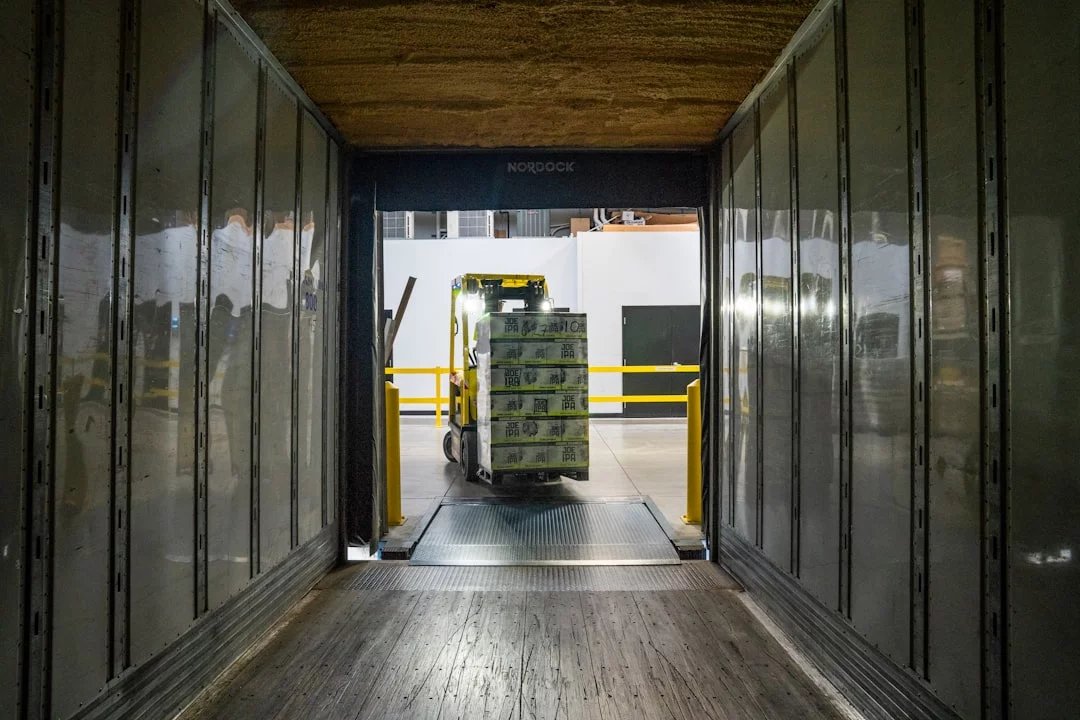
People usually start the conversation with a budget and a brand. Those matter, but they are not what determines whether a lift will actually do your work. Four things do: capacity, fuel type, tyres and mast height.
1. Capacity, measured honestly
Work out the heaviest load you will lift, then add a margin. A 5,000 lb truck is the most common size in Central Florida warehouses because it handles a loaded pallet comfortably, but the rating assumes a standard 24-inch load centre.
If your loads are long, bulky, or carried on an attachment, the usable capacity is lower than the headline number. Long pieces of stock, drums on a clamp, or anything that puts weight further from the mast will all cut into it. Buying slightly more capacity than you think you need is cheaper than discovering the limit with a load on the forks.
2. Fuel type follows the workplace
LPG is the most common choice for mixed indoor and outdoor work. Cylinders swap in a minute, the trucks are cheap to buy used, and they run all day. They need reasonable ventilation indoors.
Gasoline or dual-fuel gives you flexibility and is common on older machines. Some Toyota models run either LPG or gasoline, which is useful if you are not sure how the truck will be used.
Diesel is an outdoor machine: more torque, more capacity for the money, but too much exhaust for enclosed spaces.
Electric is the choice for food handling, pharmaceuticals, or any tight indoor space where fumes and noise are a problem. It costs more up front and the battery is a real part of the purchase price — always ask its age and condition, because a tired battery can cost several thousand dollars to replace.
3. Tyres depend on your floor
Cushion tyres sit lower, turn tighter and suit smooth concrete. They are the standard indoor choice.
Pneumatic tyres are what you want on gravel, asphalt, broken ground or a yard. They ride higher and handle uneven surfaces without beating up the truck or the operator.
Do not buy a cushion-tyre truck for a gravel yard. It is the single most common mismatch we see.
4. Mast height, in both directions
Check two measurements, not one. Maximum fork height tells you how high you can stack. Collapsed height tells you whether the truck fits through your doorways and, critically, inside a trailer if you load containers.
A triple-stage mast gives high lift with a low collapsed height, which is what you need for container work. It costs more than a two-stage mast, so only pay for it if the height is genuinely required.
What about hours?
Hours are a rough guide to wear, not a verdict. On an internal-combustion lift, anything under 10,000 hours is generally considered to have life left, but a well-maintained 9,000-hour machine will outlast a neglected 4,000-hour one. Maintenance history and how the truck was used matter more than the meter reading.
Ask what the truck did in its previous life. A lift that moved light pallets in a dry warehouse is a very different machine from one that worked outdoors on a construction site, even at identical hours.
Before you buy
Run it. Lift a real load to full height and watch for drift, listen for the hydraulics labouring, and check that the mast comes down smoothly. Look at the fork blades — under ANSI B56.1 a fork should come out of service once it has worn to 90% of its original thickness — and check for cracks at the heel where the blade meets the shank.
If you are not sure what suits your work, describe the job and we will tell you honestly what you need, including when that is less machine than you were planning to buy. Call Ralph on 407-900-7830.
Looking at a specific machine? Every forklift on our lot is inspected, serviced and load-tested before it is listed.
See current inventory